Introduction
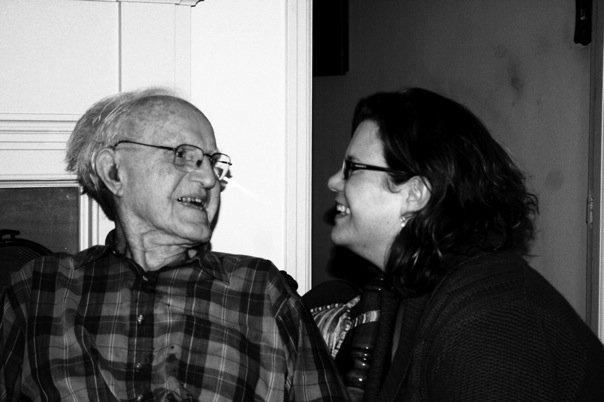
My name is Erika Hall, and I’m a Death Doula. I work with individuals and families during one of life’s most vulnerable and sacred times: the transition from life to death. My role is to hold space, offer comfort, and ensure that voices—especially the quiet ones—are heard. At Rosemary Raven Hearth, I support people not only in how they die, but in how they are seen, understood, and honored during their final chapter.
But I didn’t come to this work by accident. My path was shaped by personal moments that opened my heart and sharpened my purpose.
A Natural Comfort with Death
Not everyone feels at ease in the presence of death—but for me, it has always felt natural. Death is not a stranger or something to be feared, but rather a quiet companion in life’s grand cycle. I’ve always felt that death, like birth, deserves reverence, presence, and care.
That understanding deepened profoundly when I walked with my mother through her end-of-life journey. Later, I would help care for my grandparents, but it was my mother’s death that truly taught me how important it is to be present—not just physically, but emotionally and spiritually—with someone who is dying. I saw how easily a person’s voice can be lost in the noise of well-meaning advice, medical routines, or family overwhelm. Her voice mattered deeply, and I made sure it was heard.
Howard Henry and the Forgotten
Later, I began taking my English Mastiff, Howard Henry, into memory care floors at senior living facilities. His gentle, grounding presence brought joy to the residents, but I was struck by something deeper—the sheer number of people who had no visitors.
I remember one woman who was particularly agitated when we arrived—confused, isolated, and lost in a haze of disconnection. But as soon as she saw Howard, her entire demeanor shifted. She sat beside him and began gently scratching his head, her voice softening as she told him stories. Stories about her childhood, about dogs she had loved, about things she couldn’t quite place but needed to say aloud.
Howard, being the sweet soul he was, didn’t mind that she didn’t remember his name. He didn’t care that this wasn’t the first—or even the fifth—time she’d met him. He simply was there, present and patient, offering his quiet companionship without expectation.
That moment taught me something important: sometimes we just need a safe place to speak, even if we’re not always sure what we’re saying. Howard gave that gift freely. And in doing so, he reminded me of how much healing can happen when someone simply listens—without judgment, without correcting, without needing to be remembered. Just there, heart open.
The Client Who Said What Everyone Feels
One of my clients once told me something I’ll never forget:
“Death is a time when a person should have the most autonomy with their choices, but doctors, preachers, and children seem to have forgotten how to listen.”
That truth struck a chord deep in my bones. As a Death Doula, I carry no agenda. I have no horse in the race. My role is to be present—to listen, to witness, to advocate, and to help individuals travel the final stretch of their journey in the way that feels most true to them.
When We Stop Listening
We’ve all had the experience of sitting in a room and being talked about as if we’re not there. It’s a terrible feeling. Now, imagine that those people are your family, and they are discussing how you should die—without asking you, without listening to you.
Death can tear families apart as they argue, disagree, or fight to prove who is the “most caring.” Or perhaps the idea of losing someone you love is so painful that you retreat—insisting they aren’t really dying, or avoiding visits because it’s too much to bear.
Just as every life is unique, so too is every death.
Yet in our culture, talking about death is often shunned or hushed, as if saying it aloud might make it more real. The problem is, when that time inevitably comes, those unspoken conversations erupt during high-stress moments—and true listening becomes nearly impossible.
According to a 2018 study published in the Journal of Palliative Medicine, more than 60% of people believe it’s important to talk about end-of-life wishes—but fewer than 30% actually do. This silence leaves loved ones guessing, often leading to conflict, confusion, and regret.
My Mother’s Peace
When my mother found out her breast cancer had metastasized, she made a clear and brave choice: she did not want more chemotherapy or radiation. She didn’t want to buy a couple more years if it meant sacrificing the quality of them.
We had many long talks—about her life, her joys, her regrets, and what she hoped for in her final time. She found peace in her decision to let go. And while my heart ached—I wanted her to live forever—I also knew this wasn’t about me.
This was her life.
Her death.
And I stood beside her, not in resistance, but in support.
In one of our final conversations, she told me: “I don’t regret anything. I lived the life I wanted, and I’m at peace with how it ends.” That moment will stay with me forever.
Why I Do This Work
I became a Death Doula because I believe no one should have to walk this road alone or unheard. I strive to be a steady hand, a warm presence, and a voice that helps elevate theirs. Whether I’m helping a client write letters, plan rituals, express their needs, or simply sit in silence, I do so with reverence and intention.
And for families, I hold a space of safety—a place where they can cry, vent, wrestle with uncertainty, or just breathe. But I also gently guide them toward listening—truly listening—to the needs and wishes of their loved one, even when it’s hard.
At Rosemary Raven Hearth, my mission is simple: to help people feel less afraid, more empowered, and deeply heard at the end of life.
A Call to Conversation
If this post speaks to you, let it be a starting point. Talk with your loved ones. Ask them what they want. Tell them what you need.
You don’t need a terminal diagnosis to start these conversations—you just need love, courage, and a little willingness to listen.
Let’s take death out of the shadows and return it to where it belongs:
in the light of human connection.
 Rosemary Raven Hearth
Leave a comment